Mothers Day
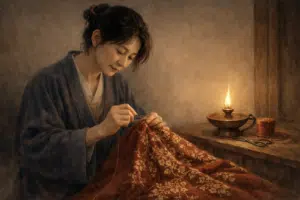
Crédit : poems.mahacinasthana.com 《遊子吟》 Song of A Travelling Son 慈母手中线,游子身上衣。 Thread in the hands of a loving mother Turns to clothes on the traveling son.临行密密缝,意恐迟迟归。 She adds stitch after tight stitch until he leaves

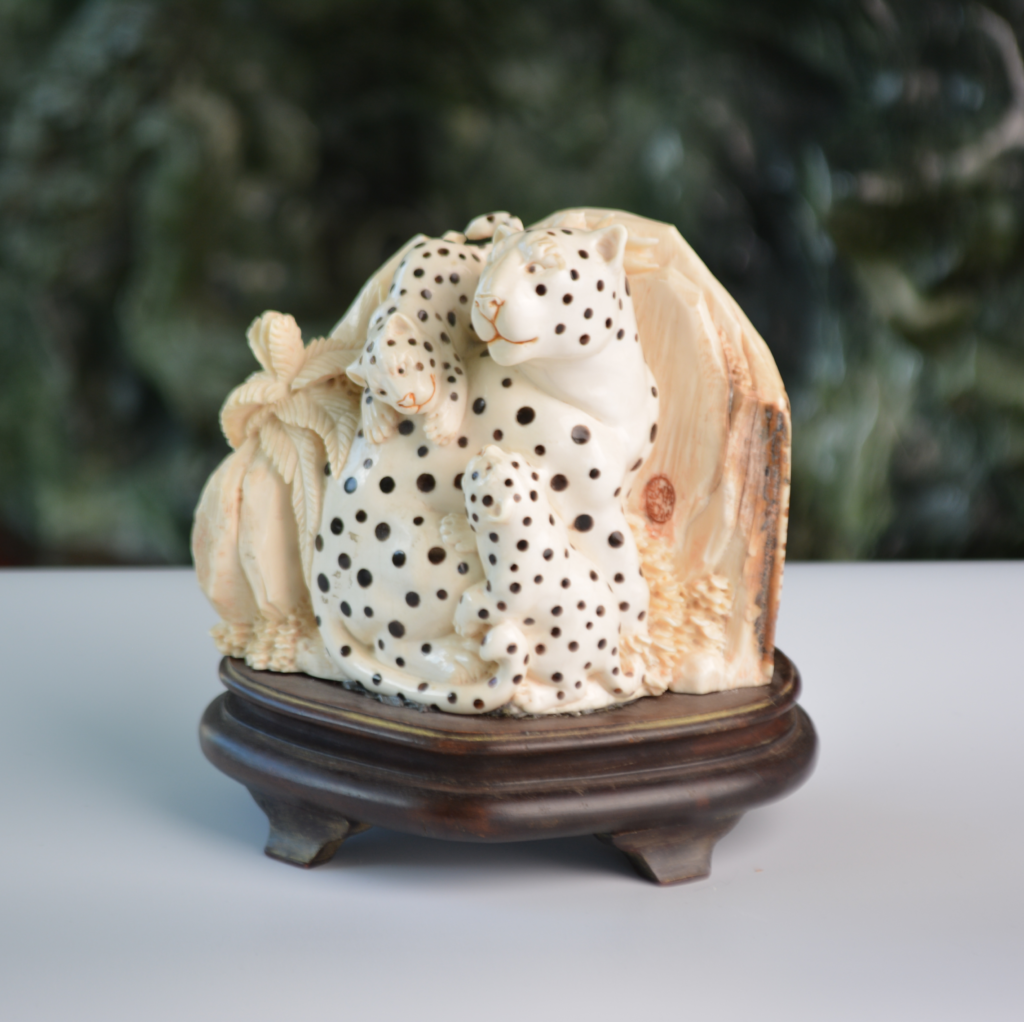
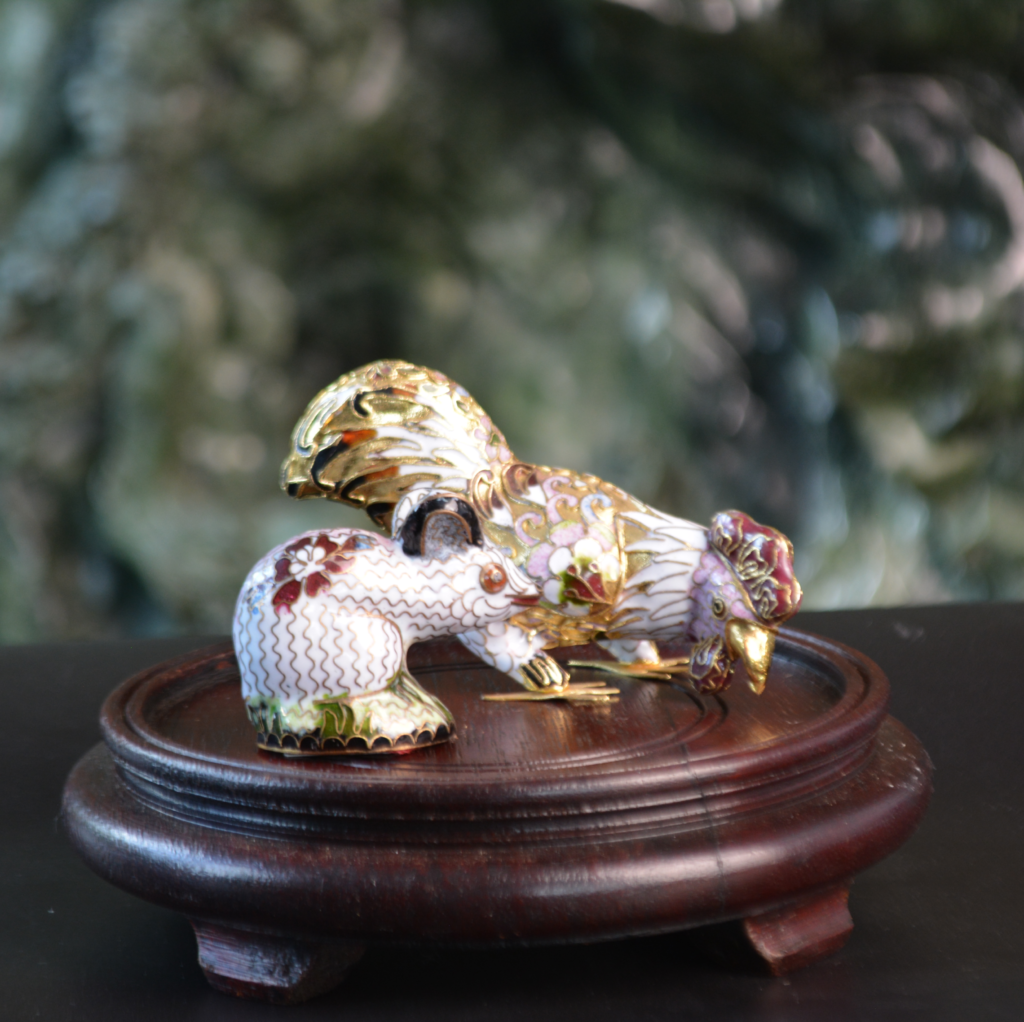
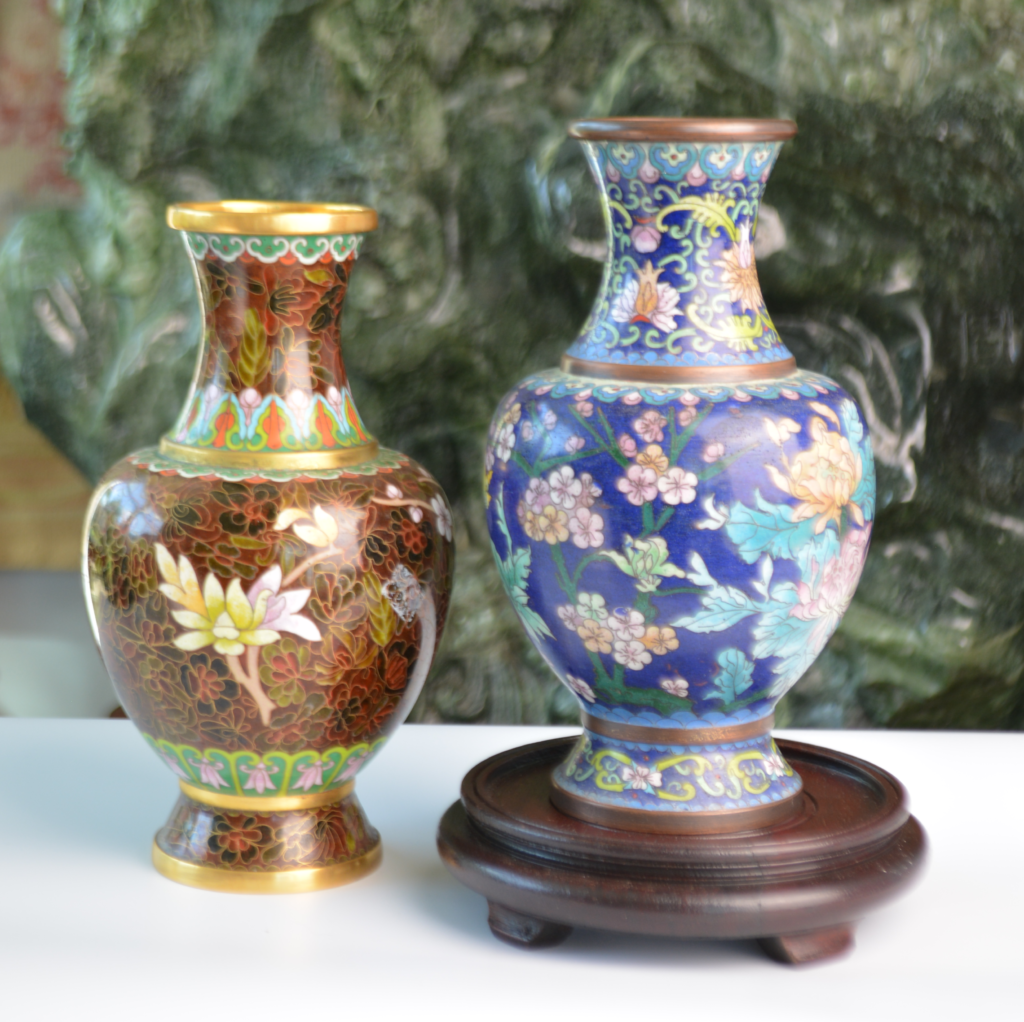
Crédit : poems.mahacinasthana.com 《遊子吟》 Song of A Travelling Son 慈母手中线,游子身上衣。 Thread in the hands of a loving mother Turns to clothes on the traveling son.临行密密缝,意恐迟迟归。 She adds stitch after tight stitch until he leaves

I. A Universal Enigma: Love Confronting the World Two great works, emerging from distant traditions, raise the same question: why can absolute love never be fulfilled in the world of men? Romeo and Juliet, a play by William Shakespeare (1564–1616). The Dream of the Red Chamber (Honglou Meng), a novel by Cao Xueqin (1710–1765), where the figures of Jia Baoyu and Lin Daiyu shine.
This study presents the results of an examination of the mummified brain of a pleistocene woolly mammoth (Mammuthus primigenius) recovered from the Yakutian permafrost in Siberia, Russia. This unique specimen (from 39,440–38,850 years BP) provides the rare opportunity to compare the brain morphology of this extinct species with a related extant species, the African elephant (Loxodonta africana). An anatomical description of the preserved brain…

The vegetation, widespread during the life of a young female mammoth “Yuka”, about 34300 yr ago (GrA-53289) was reconstructed as a complex of phytocenoses confined to coastal water and floodplain habitats.
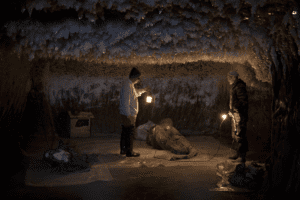
In August 2010, a well-preserved Mammuthus primigenius carcass was found along the coast of Oyogos Yar in theregion of the Laptev Sea and the mummy was nicknamed ‘Yuka’.
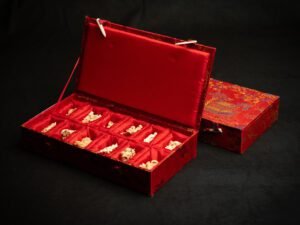
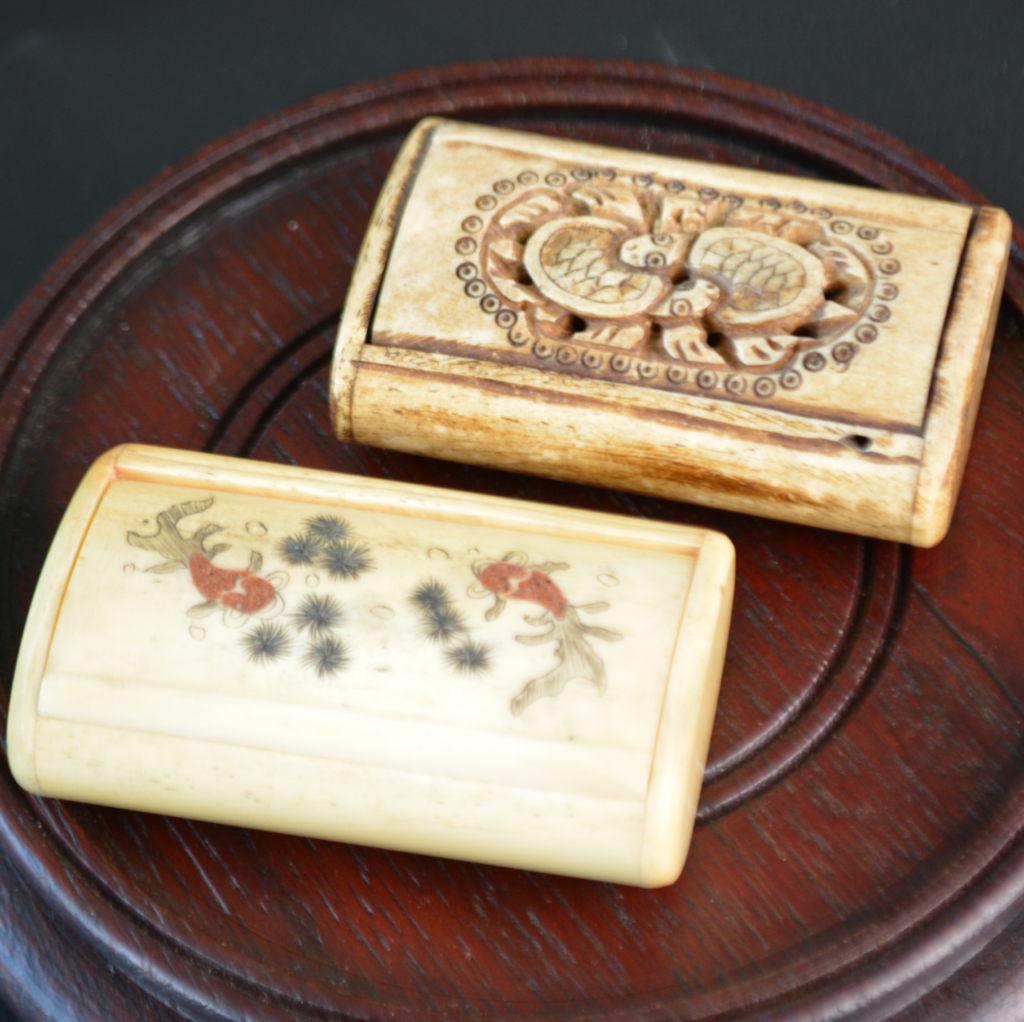
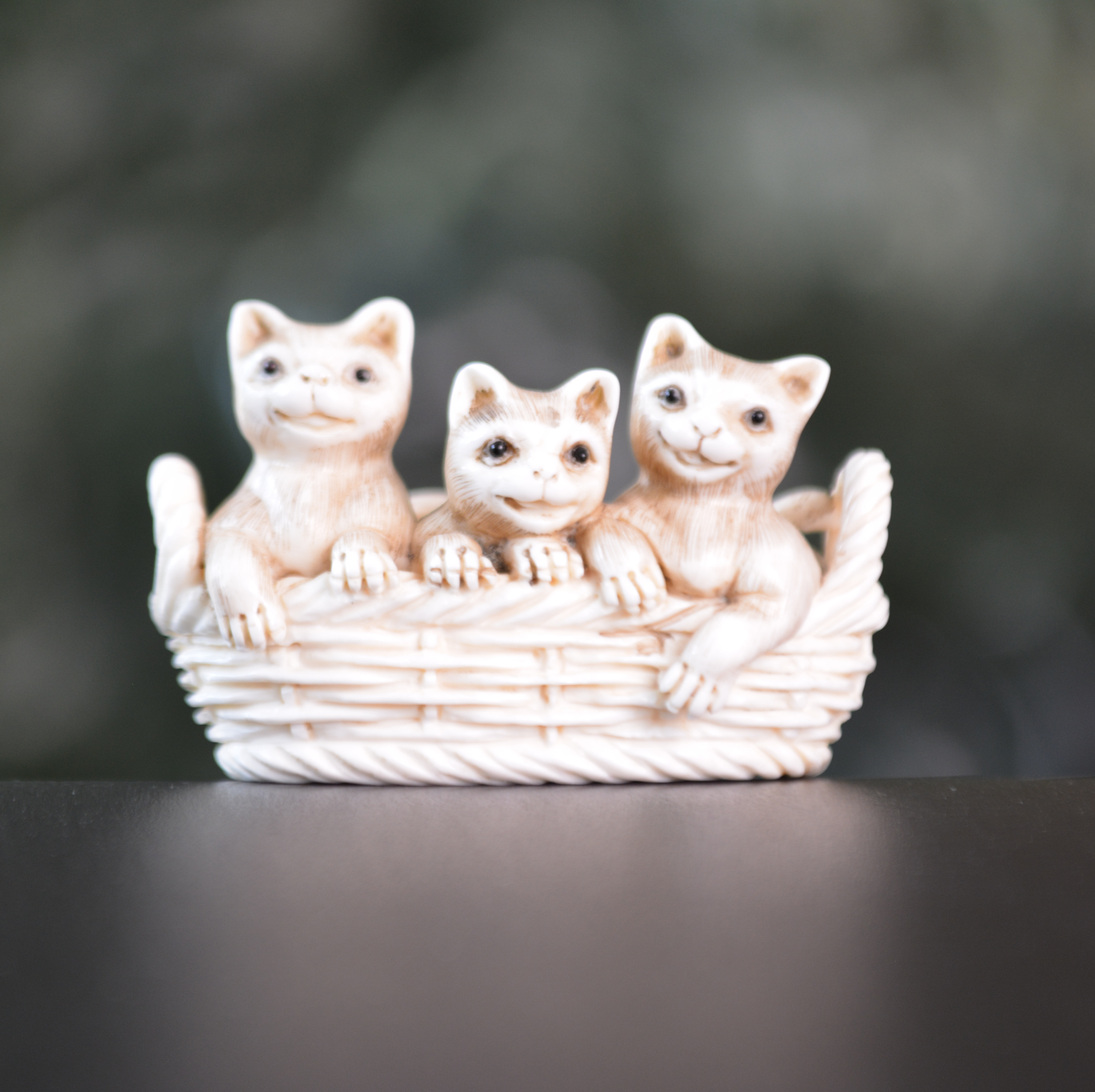
Miniature in size but immense in cultural richness, the netsuke embodies a little-known yet essential facet of Asian art. Born in China before being adopted and elevated by Japan during the Edo period (18th century), this initially utilitarian object gradually transformed into a true work of art.
0 items in the cart (0 €)
0 items in the cart (0 €)